239 Bay 14th Street, Brooklyn, NY 11214
718-483-0000We also speak Polish: 631-871-2144

Truck and van insulation in New York

Puza

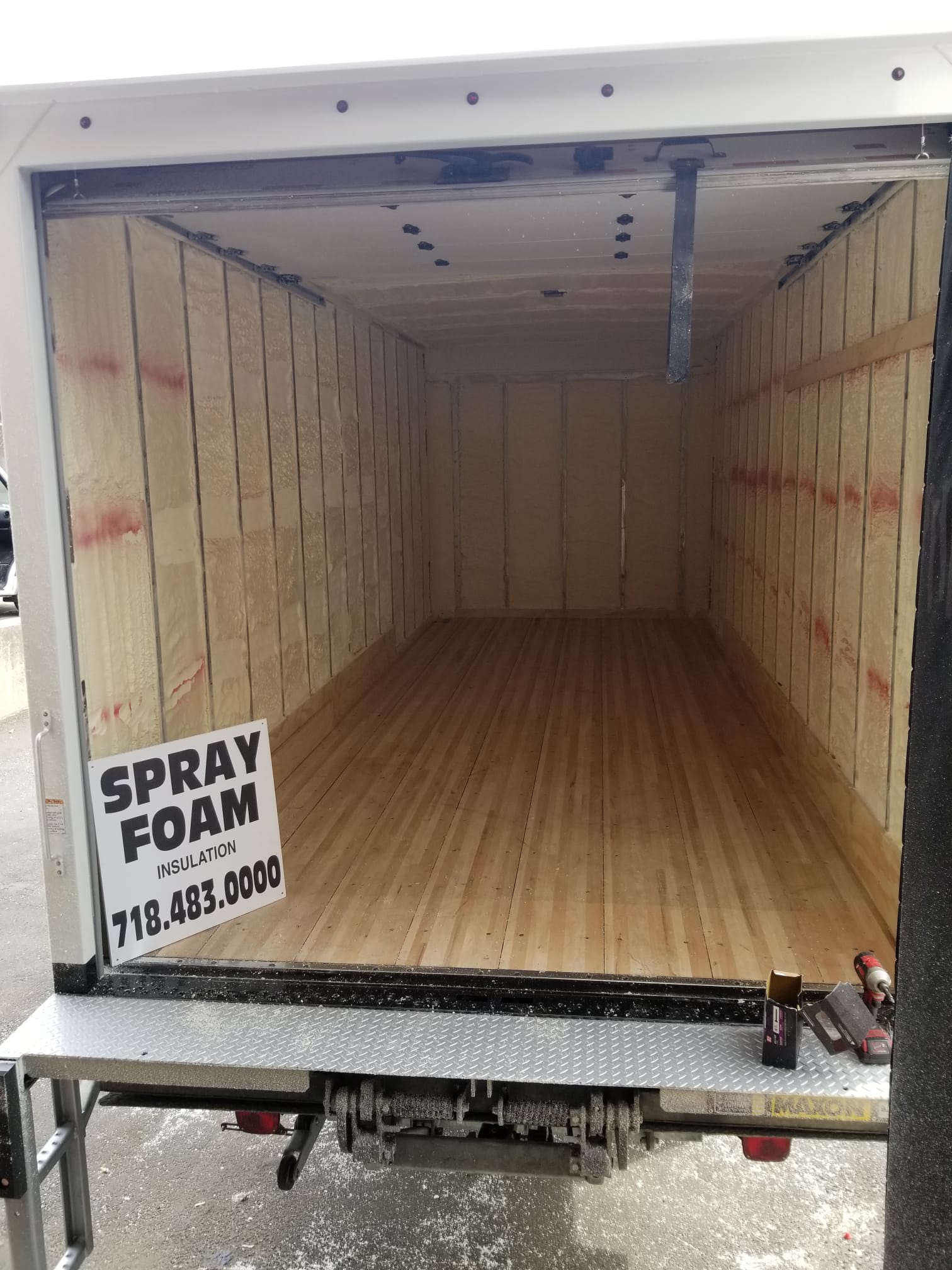
Truck and van insulation is spray foam applied to the walls, ceiling and floor of a vehicle's cargo area. The foam bonds to the metal, forms a continuous layer and keeps the interior temperature steadier, reduces road noise and adds stiffness to the body panels of the vehicle.

A bare cargo box is a metal shell. In August it holds heat like an oven. In January it is as cold inside as out, and condensation runs down the walls. Whatever you carry, and whoever works back there, gets the worst of both seasons.

Puza Construction, Inc. insulates trucks and vans with spray foam, alongside its work in buildings.

What foam does for a vehicle

Sheet metal conducts heat fast. Loose insulation panels help a little, but they leave seams, and they cannot follow ribs, wheel wells and curved corners. Sprayed foam can. It bonds directly to the metal and covers the whole surface without a break.

The first result is temperature control. The cargo area warms up and cools down much more slowly, so the load is better protected and any heating or cooling equipment on board has less work to do.

Puza

The second is sound. An empty van drums. Panels vibrate, the road comes up through the floor, and rain on the roof is loud enough to end a phone call.

A layer of foam deadens the panels and quiets the whole vehicle.

The third is structure. Closed-cell foam cures hard. Bonded to the walls, ceiling and floor, it stiffens the panels and helps the body feel more solid. Covered metal also gives condensation less surface to form on.

Who it is for

  • Delivery and distribution companies that carry goods sensitive to heat or cold.
  • Food and produce transport, where a stable interior helps protect the load.
  • Contractors and tradespeople who use a van as a mobile workshop and keep tools, materials and adhesives inside year-round.
  • Mobile businesses working out of a truck or van.

We work with single owner-operators and with companies that run several vehicles. If you have several vehicles, tell us, and we will work out a schedule with you.
Puza
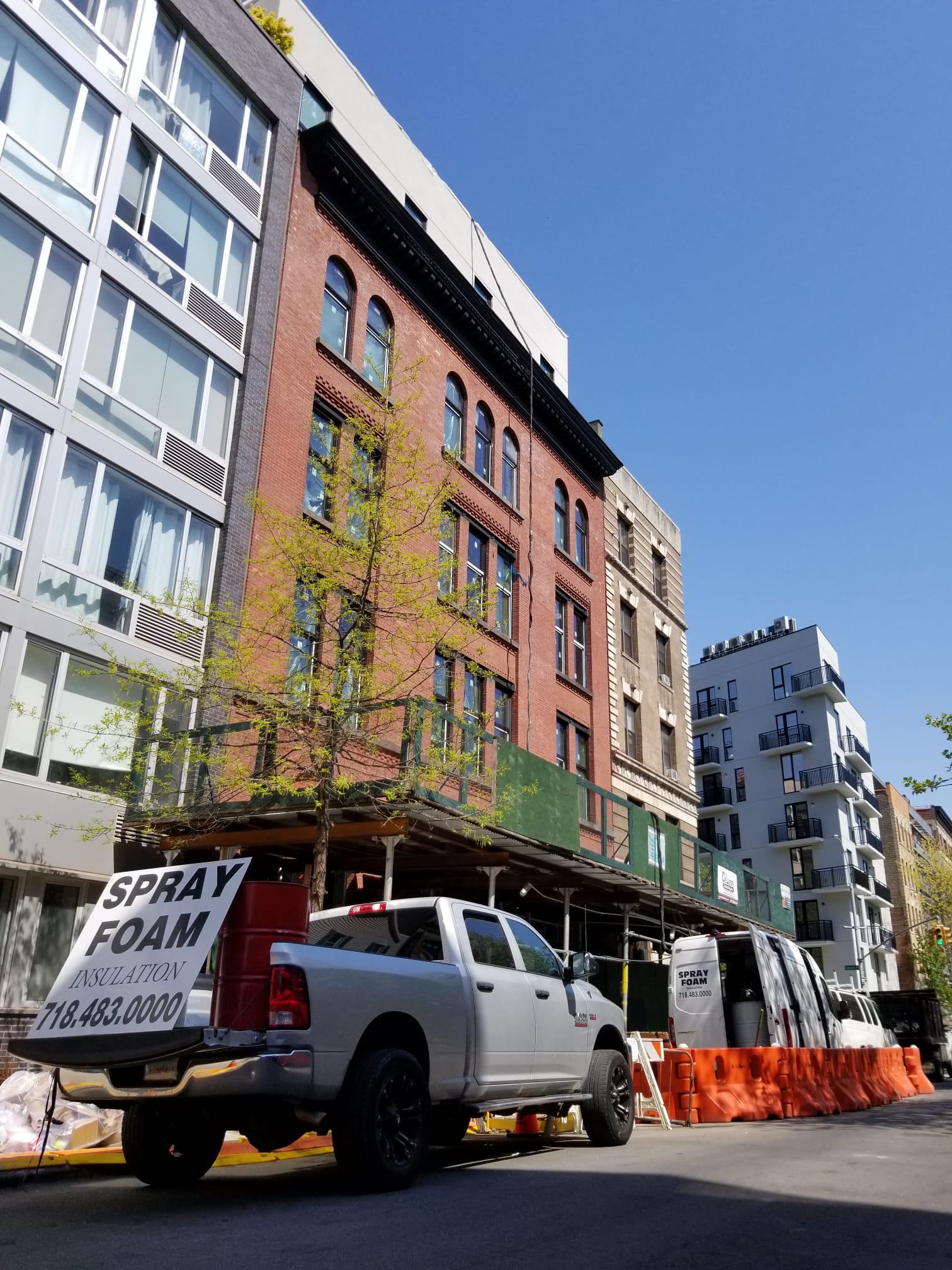
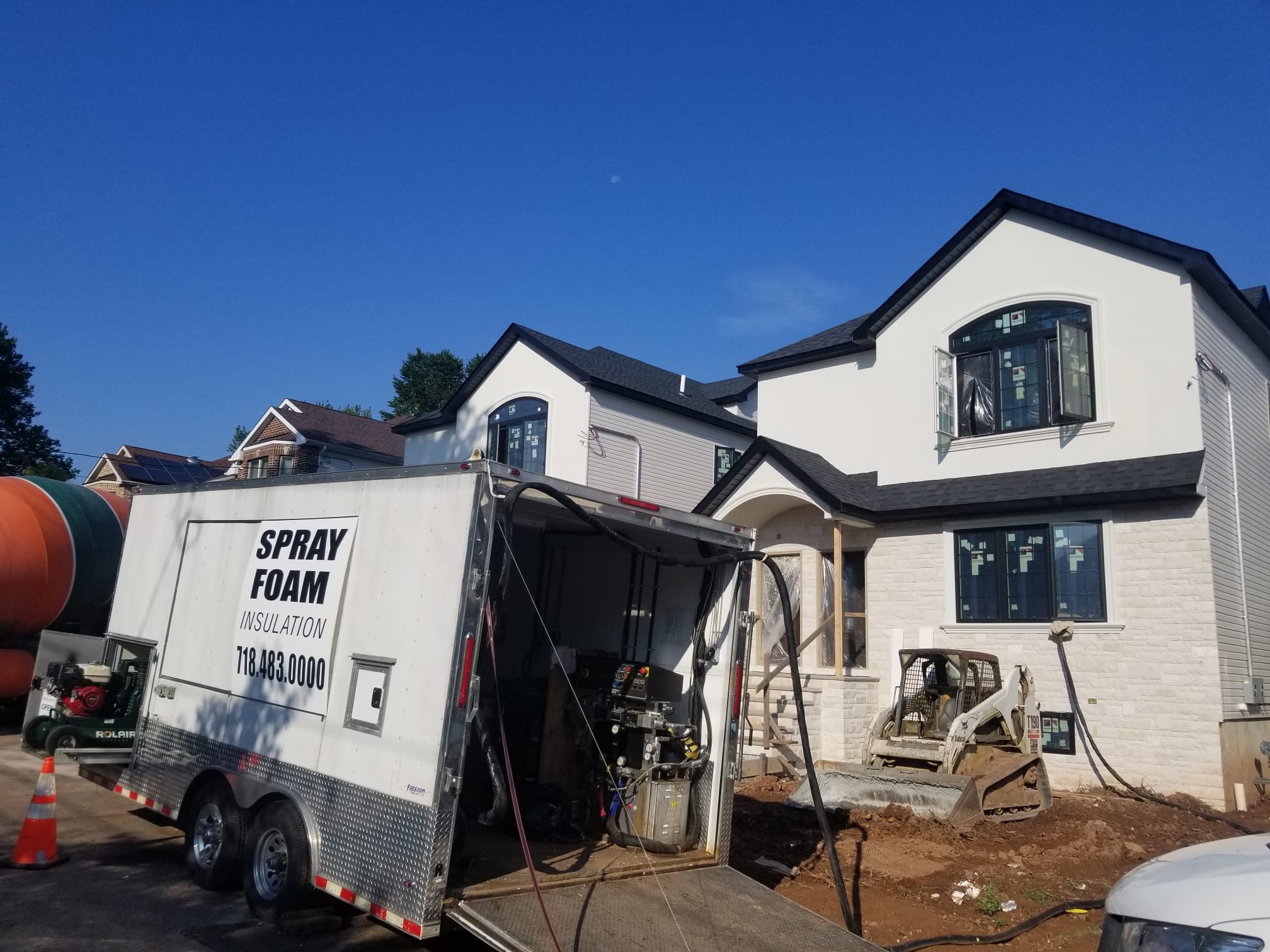
Puza Construction pickup and spray foam trailer outside a new building
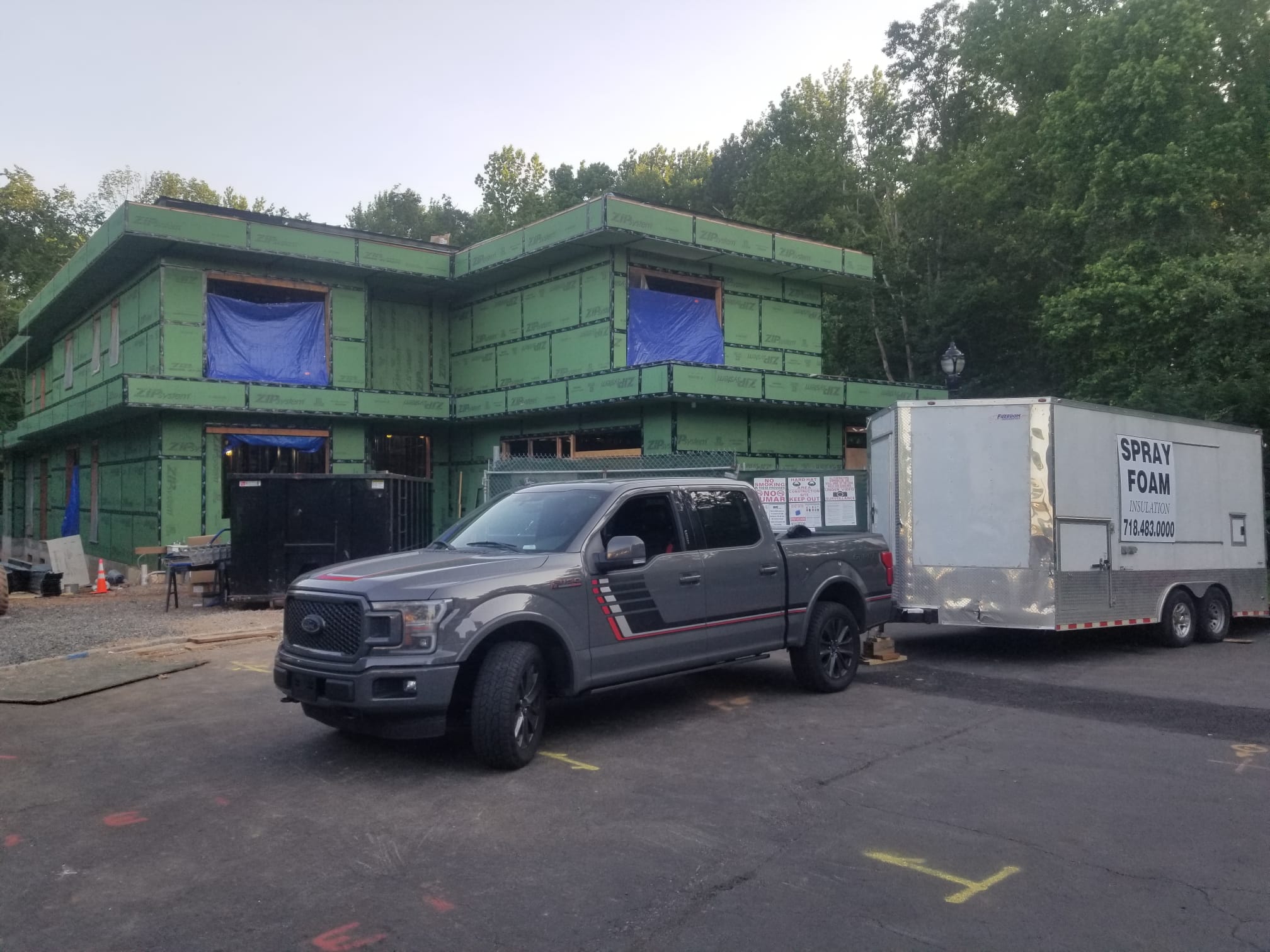
Puza Construction truck and van parked outside a brick building on a New York street

How the job is done

  1. 01

    Start with a call. Tell us the make and type of vehicle, what you carry and what you want to achieve: temperature, noise or both. We will look at the vehicle and give you a free estimate.

  2. 02

    Before spraying, the cargo area has to be empty, clean and dry. Anything that must stay free of foam is masked: door seals, latches, wiring, lights, tie-down points and the cab. Preparation is where a vehicle job is won or lost, and we take our time with it.

  3. 03

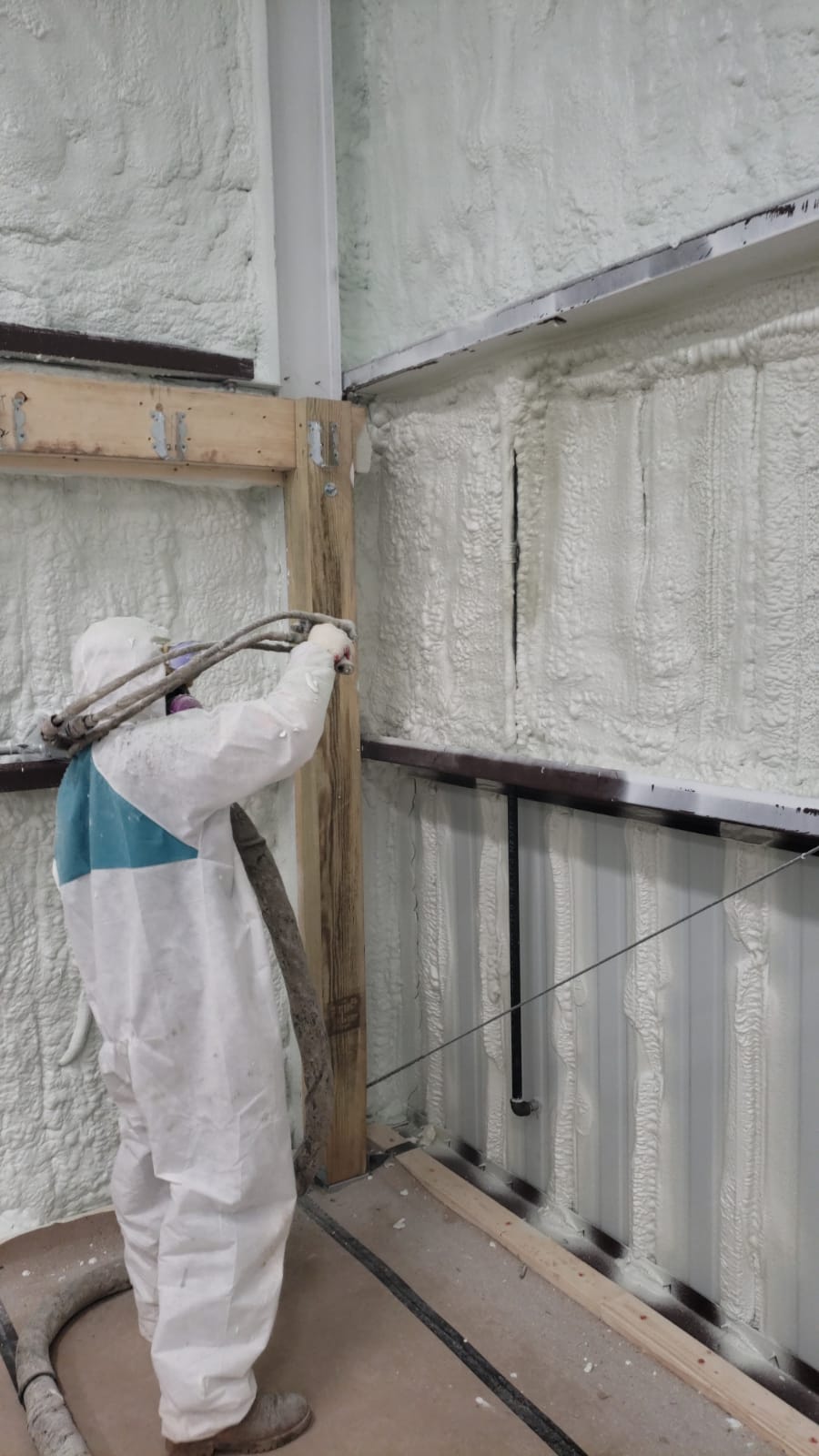
    Then the foam goes on, in passes, to the agreed thickness on walls, ceiling and floor. Once it cures we trim it flush with the ribs, so paneling, shelving or a floor can be fitted on top without extra work. You get the vehicle back clean and ready for the next step of your build.

  4. 04

    Timing is arranged around your work. A truck that is parked is not earning, so we agree on a date that fits your schedule.

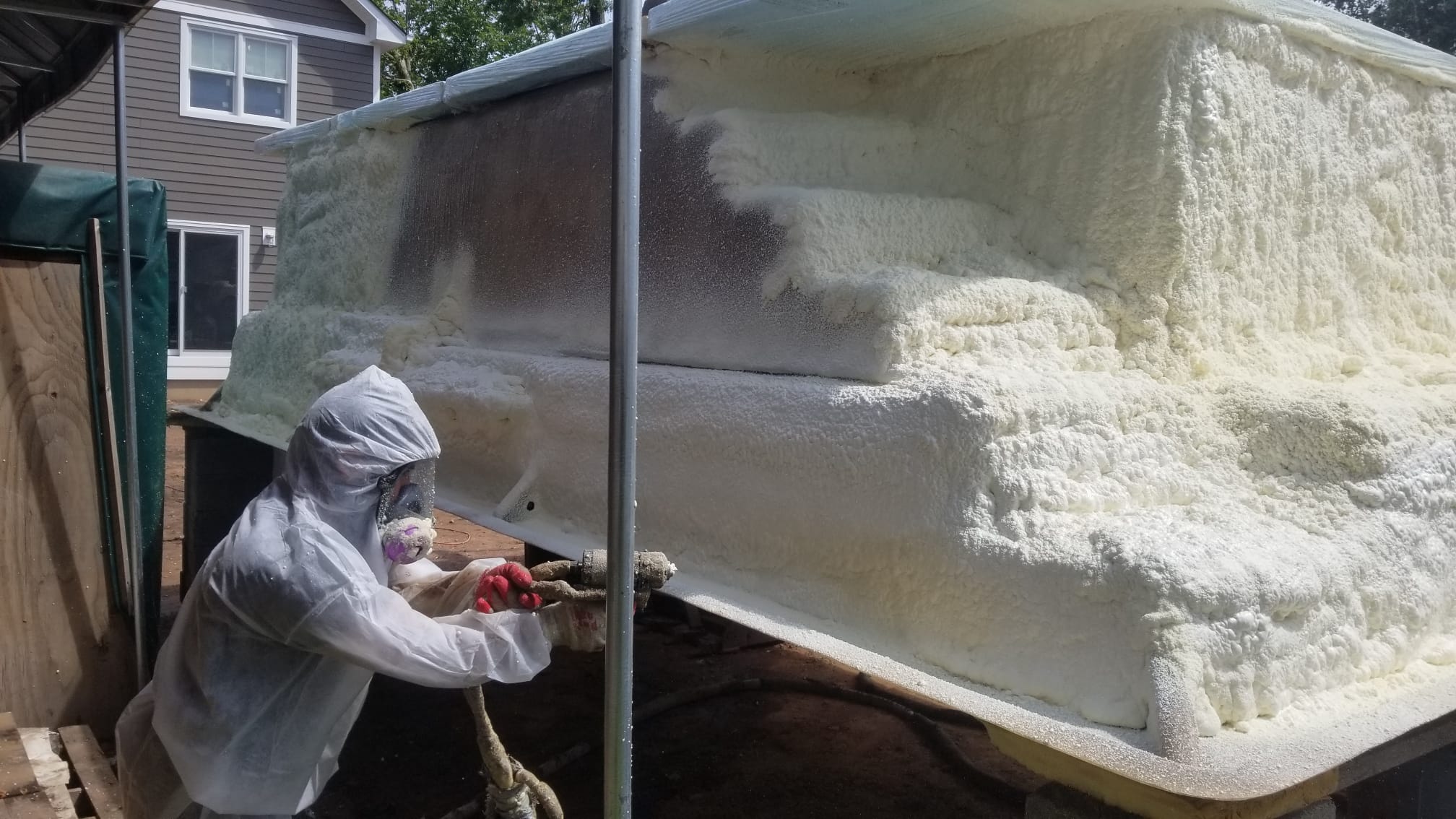
Spraying foam onto the underside of a large shell

What to think about before you call

A few decisions affect both the result and the price, and it helps to have thought about them.

What goes on top of the foam? If you plan wall panels, a plywood floor or shelving, tell us. We will leave the ribs and mounting points accessible.

What about wiring? Extra lights, cameras or a liftgate are much easier to wire before insulation than after. Run the cables first, or at least the conduit.

How much of the vehicle? Walls and ceiling make the biggest difference to temperature. The floor matters most for cold and for road noise. You can do everything or start with walls and ceiling. We will explain what each option gives you.

The cost depends on the size of the cargo area, the surfaces you want covered, the thickness of the foam and how much preparation the vehicle needs. We quote after seeing it.

Frequently asked questions

01What kinds of vehicles do you insulate?

Commercial trucks, box trucks and cargo vans are the most common. If your vehicle has a metal cargo area that gets too hot, too cold or too loud, it is very likely something we can insulate. Call, describe it, and we will tell you what is possible.

02Will the foam add a lot of weight?

No. Spray foam is light for the volume it fills, and the layer in a vehicle is thin compared with a building. For a working truck or van the added weight is small next to the load. We can talk through thickness at the estimate if payload is a concern.

03Does an insulated van replace a refrigeration unit?

No. Insulation slows down temperature change; it does not produce cold or heat. If your load needs a set temperature, you still need the right equipment. What foam does is help that equipment hold the temperature with less effort, and protect the load during stops and deliveries.

04How long will my vehicle be off the road?

That depends on its size and on how much of it is being sprayed. We give you a time frame with the estimate and book a date that suits your schedule. If you have several vehicles, we will discuss the schedule with you so your operation keeps running.