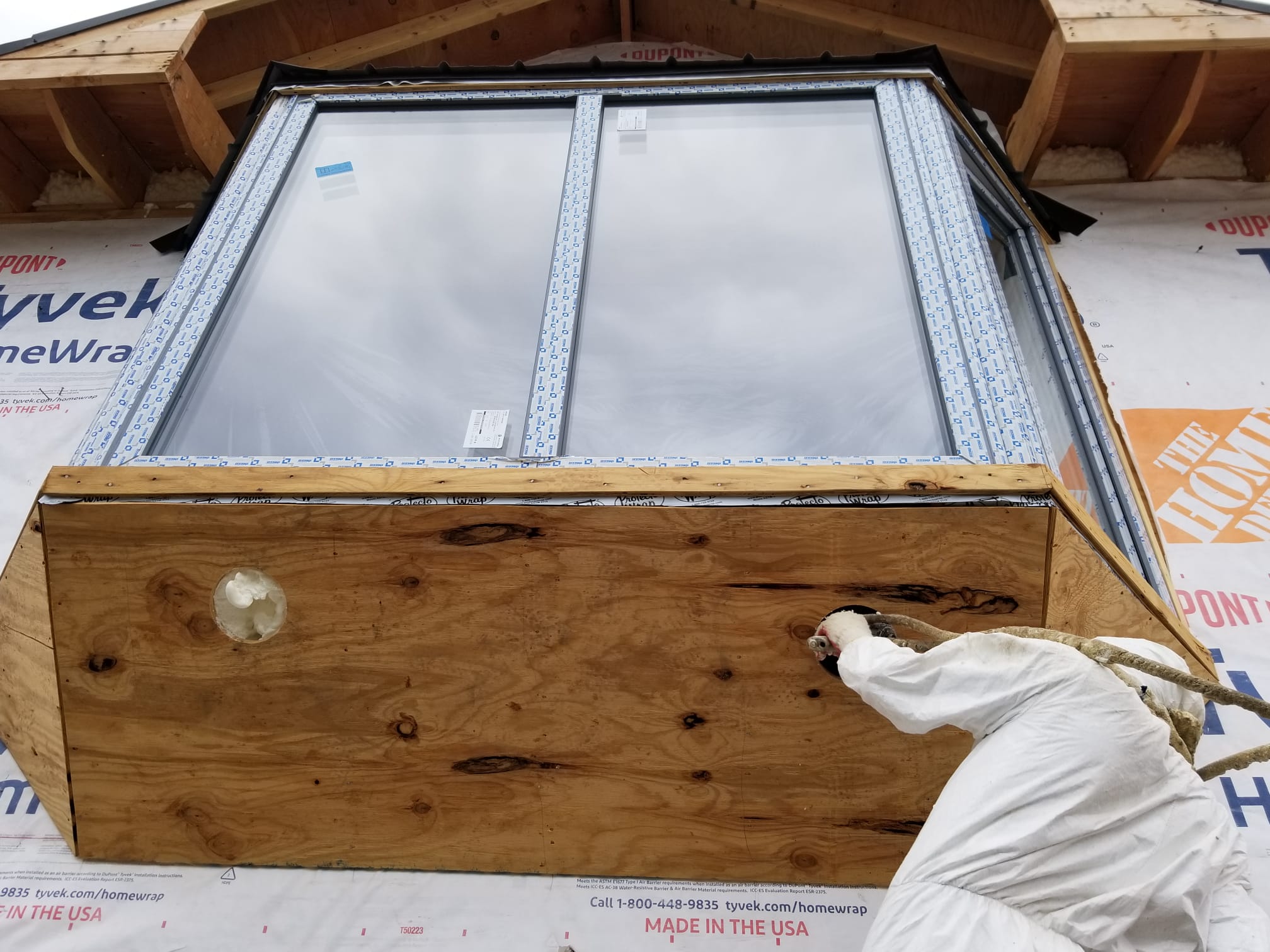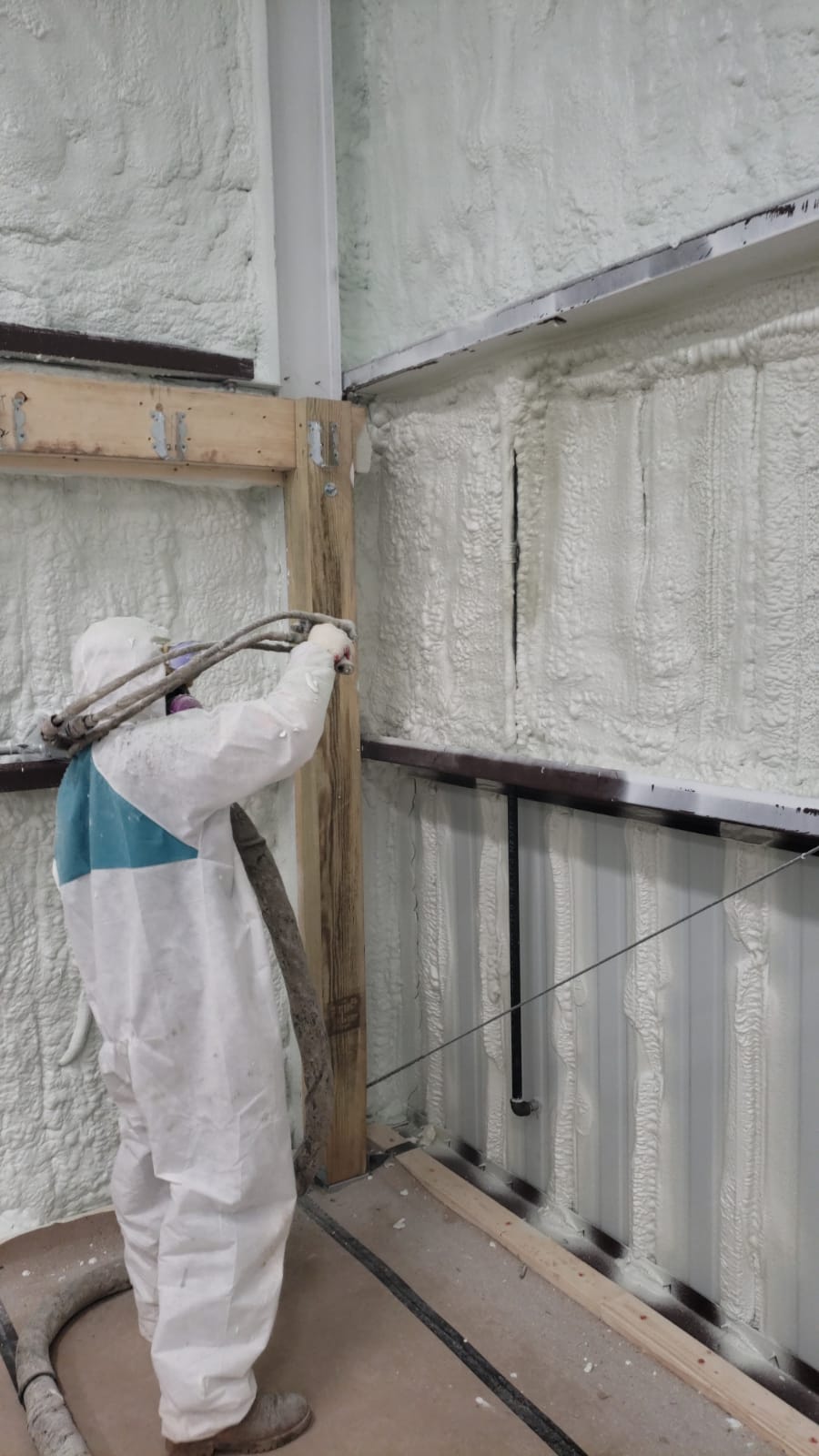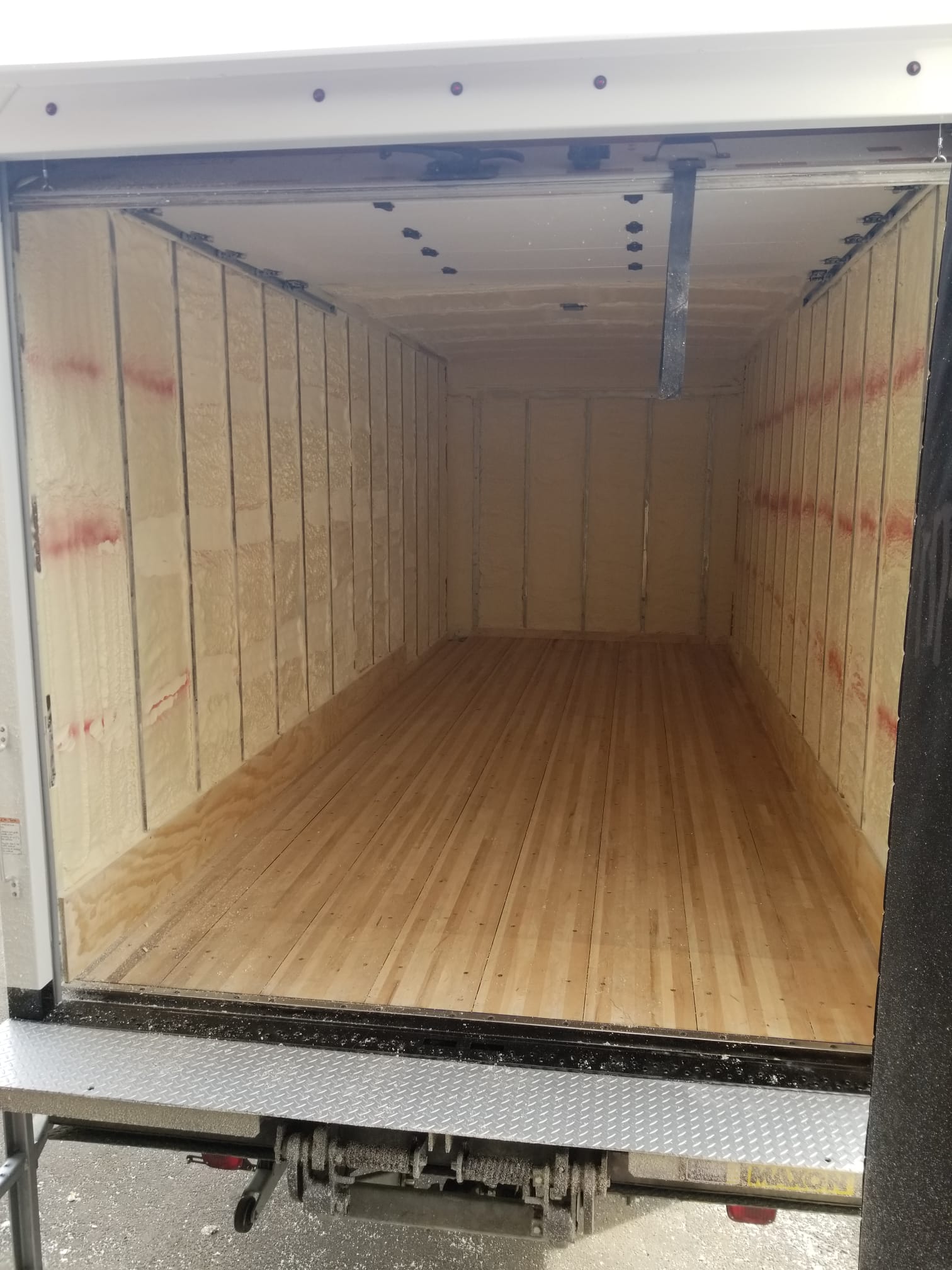
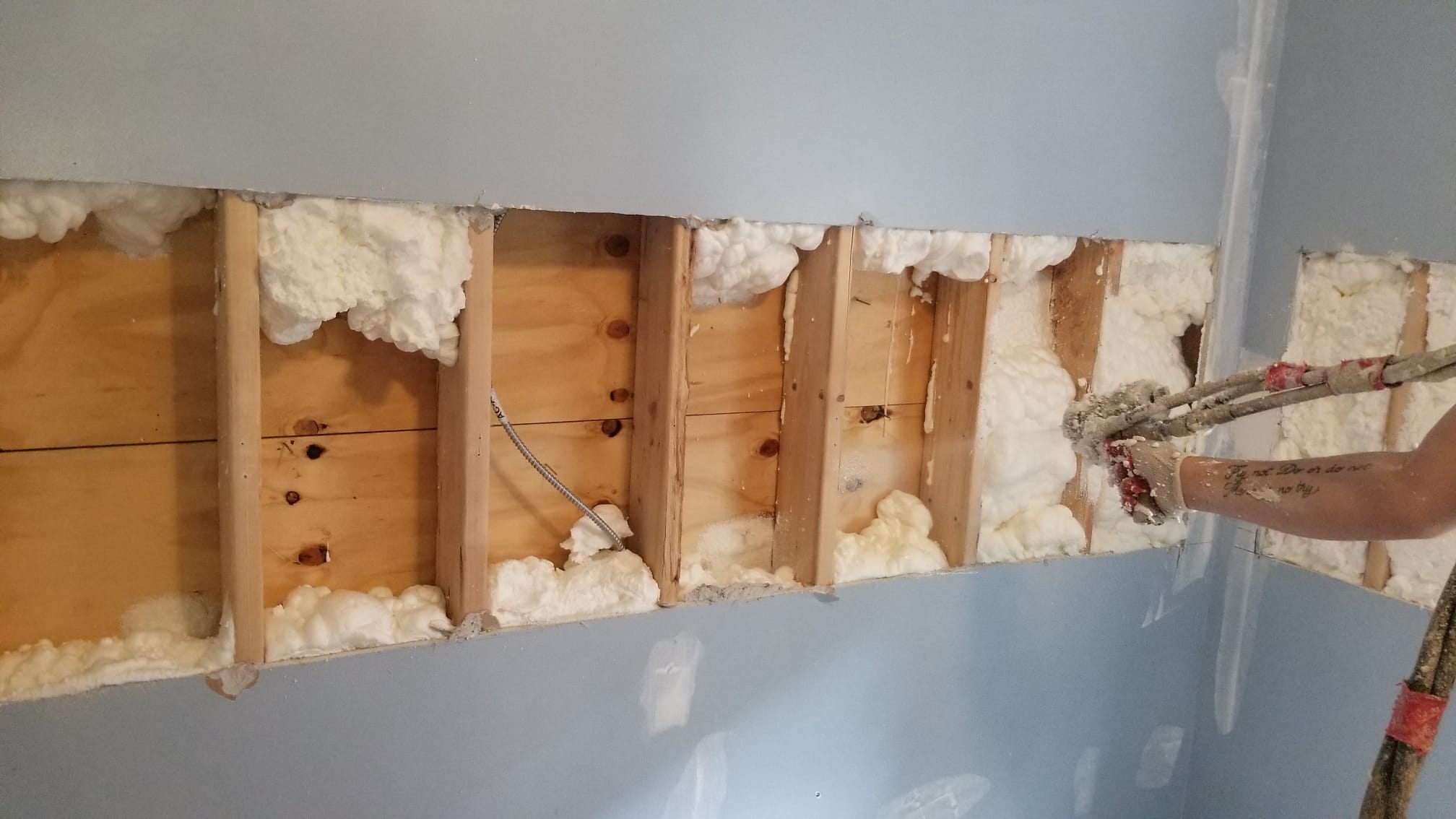
Spray foam insulation is a liquid material sprayed onto walls, roofs and floors, where it expands and hardens into a continuous layer. It fills gaps other insulation leaves open, slows heat moving in and out, and reduces noise, so one installation works as both thermal and acoustic insulation.
Insulation problems usually show up as a symptom. The upstairs is always hotter than the downstairs. The heat runs all day and the living room is still chilly. You can hear every word from the apartment next door.
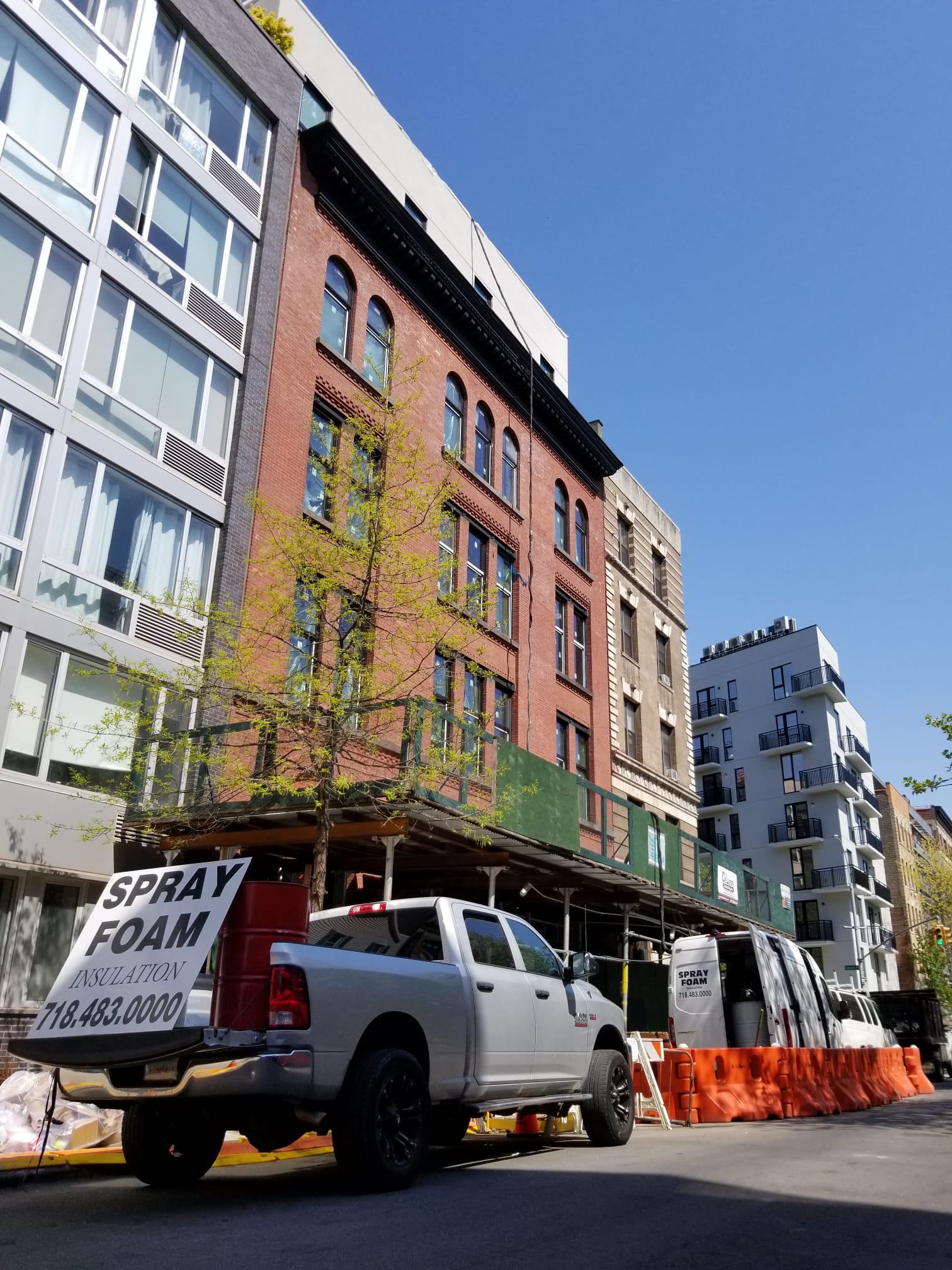
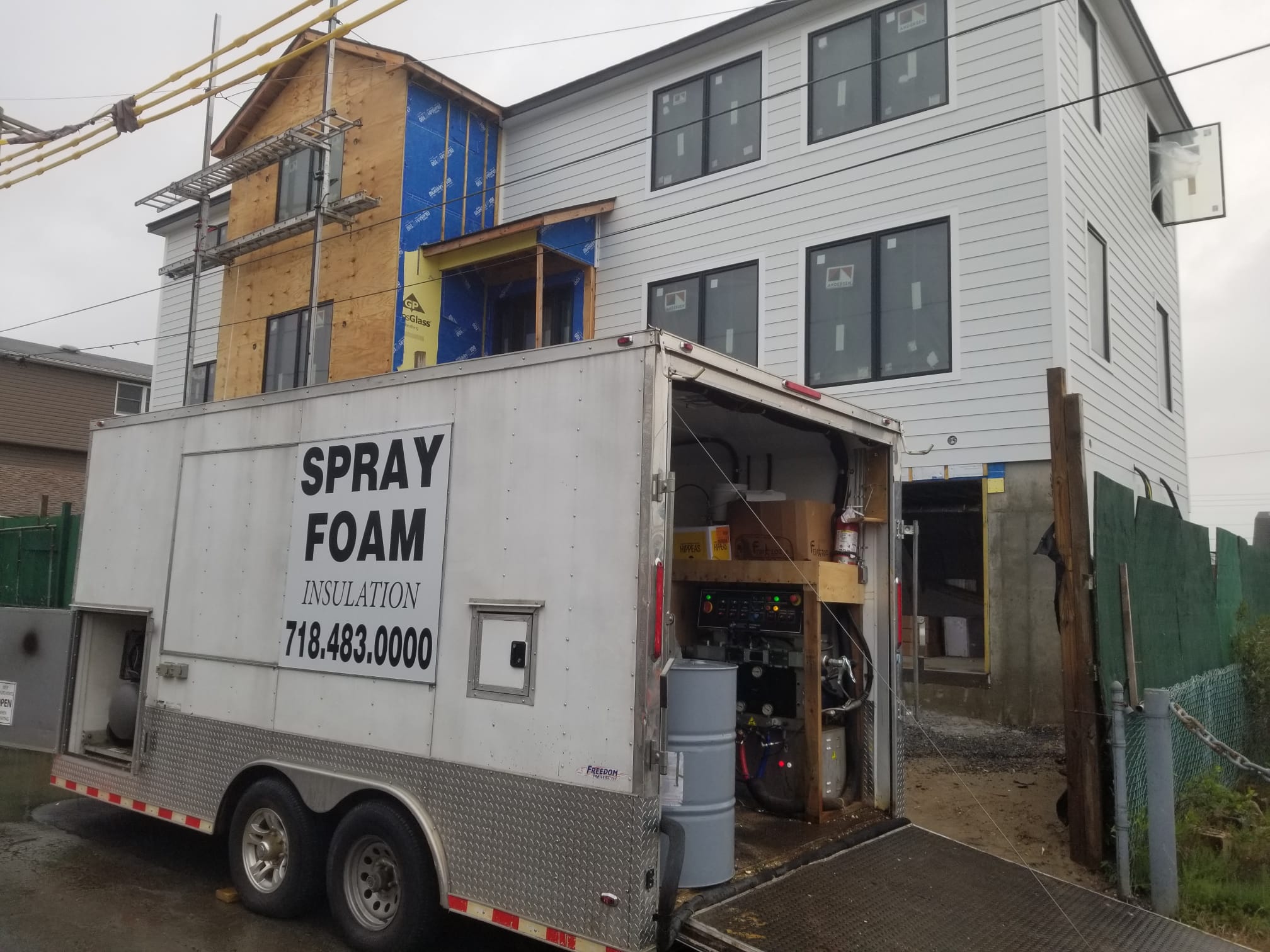
Behind each of these there is usually the same thing: air and sound passing through parts of the building that were never sealed. Puza Construction, Inc. is a licensed and insured Brooklyn contractor, and closing those paths with spray foam is our everyday work.
What spray foam does that other insulation cannot
Batts and boards are cut to size and fitted into place. However carefully that is done, there are seams, and there are spots around pipes, wires and framing where the material simply does not reach. Air finds those spots. So does noise.
Foam works differently. It goes on as a liquid and expands into the cavity, wrapping around whatever is in the way. Once it cures, the insulation and the air seal are the same layer. Unlike loose-fitted material, it does not sag or slide out of place.
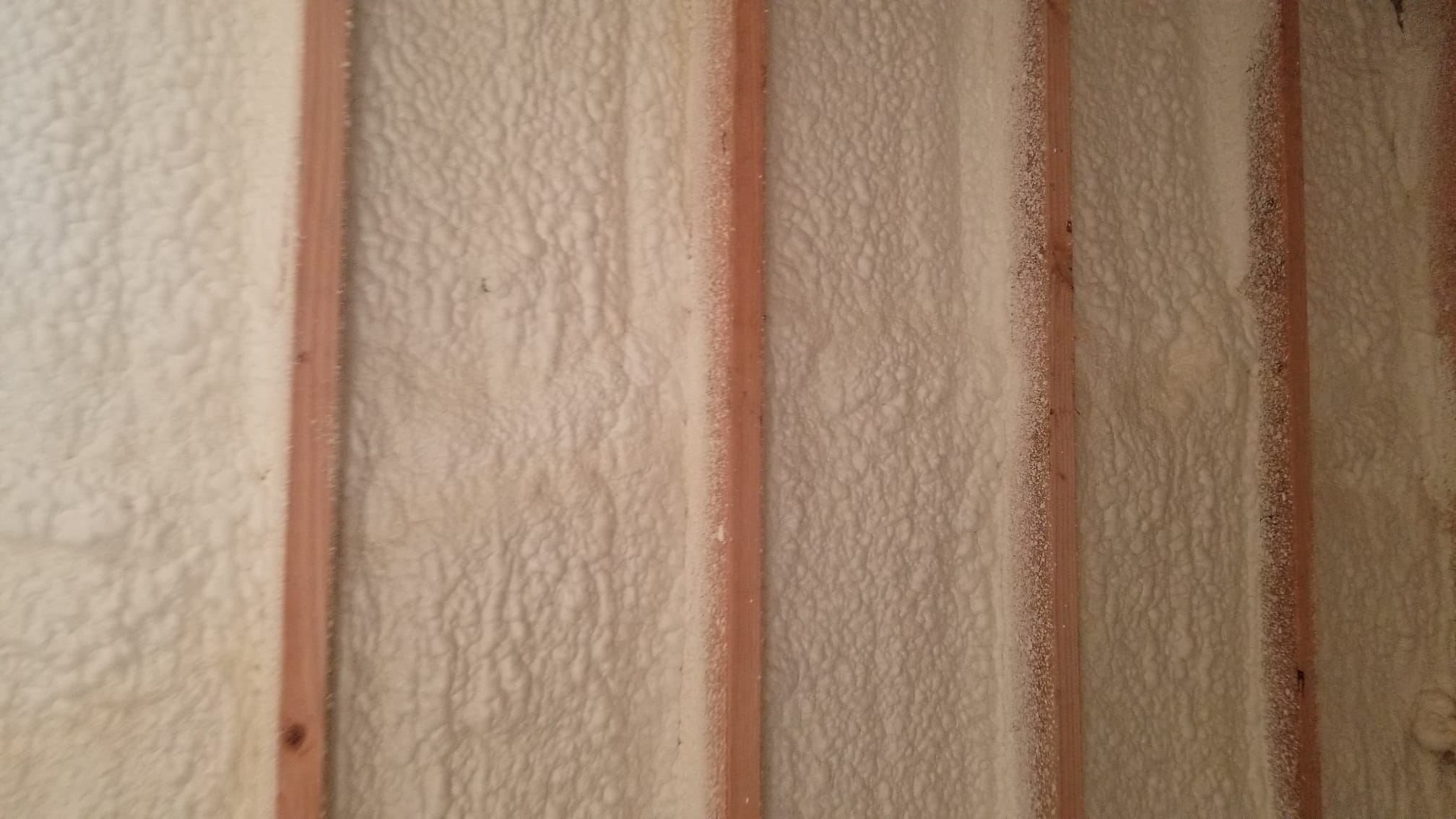
That is why foam helps in two ways at once. It slows heat transfer, which makes it easier to keep a steady temperature and takes strain off your heating and cooling. And it absorbs airborne sound and closes the gaps it travels through, both between rooms and from the street.
Open-cell and closed-cell foam
There are two main types of spray foam, and they are not interchangeable. Choosing between them is part of the estimate, not something you need to work out on your own.
01Open-cell foam
Open-cell foam is lighter and softer. It expands a lot, which makes it good at filling deep or irregular cavities, and it is the stronger performer for sound. Interior walls, floors between apartments and many attic jobs are typical uses.
02Closed-cell foam
Closed-cell foam is dense and rigid. It insulates more per inch, resists moisture and adds stiffness to whatever it is sprayed on. That makes it the usual choice for basements, crawl spaces, exterior walls with limited depth and metal surfaces.
Plenty of buildings need both, in different places. We will tell you which goes where and why.
Where we install it
- Attics and rooflines — the first place heat escapes in winter and pours in during summer.
- Exterior walls — during renovations, when the cavities are open and the opportunity is there.
- Basements and crawl spaces — cold floors and damp air usually start here.
- Floors and walls between units — for noise between apartments or between a business and the homes above it.
- Commercial interiors — offices, shops, workshops and storage spaces that are expensive to heat and cool.
We work in single-family houses, apartments and commercial buildings. During a renovation, foam is installed after framing and before drywall.